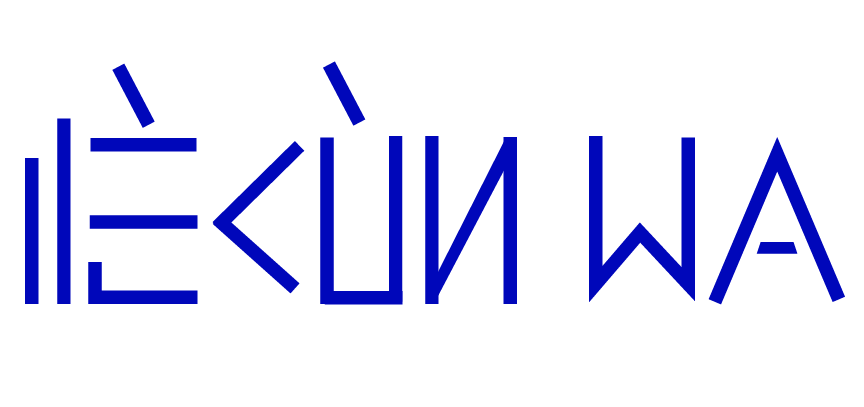
“What Makes a Brotha Shucka, Can Break a Brotha Shucka”
Mixed Media Installation by Jeremiah Olayink Ojo at the Old Stone House Museum, Brooklyn
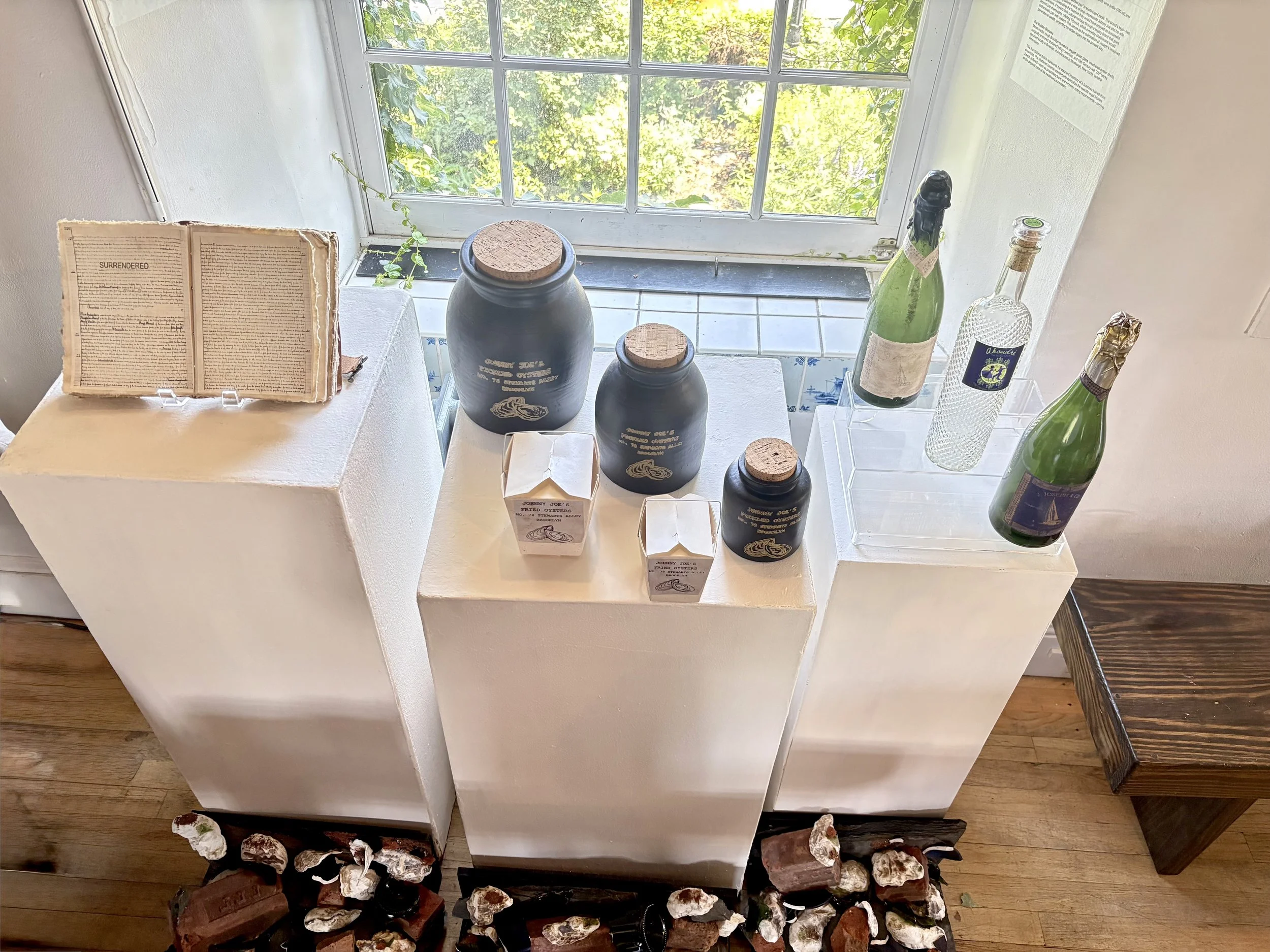
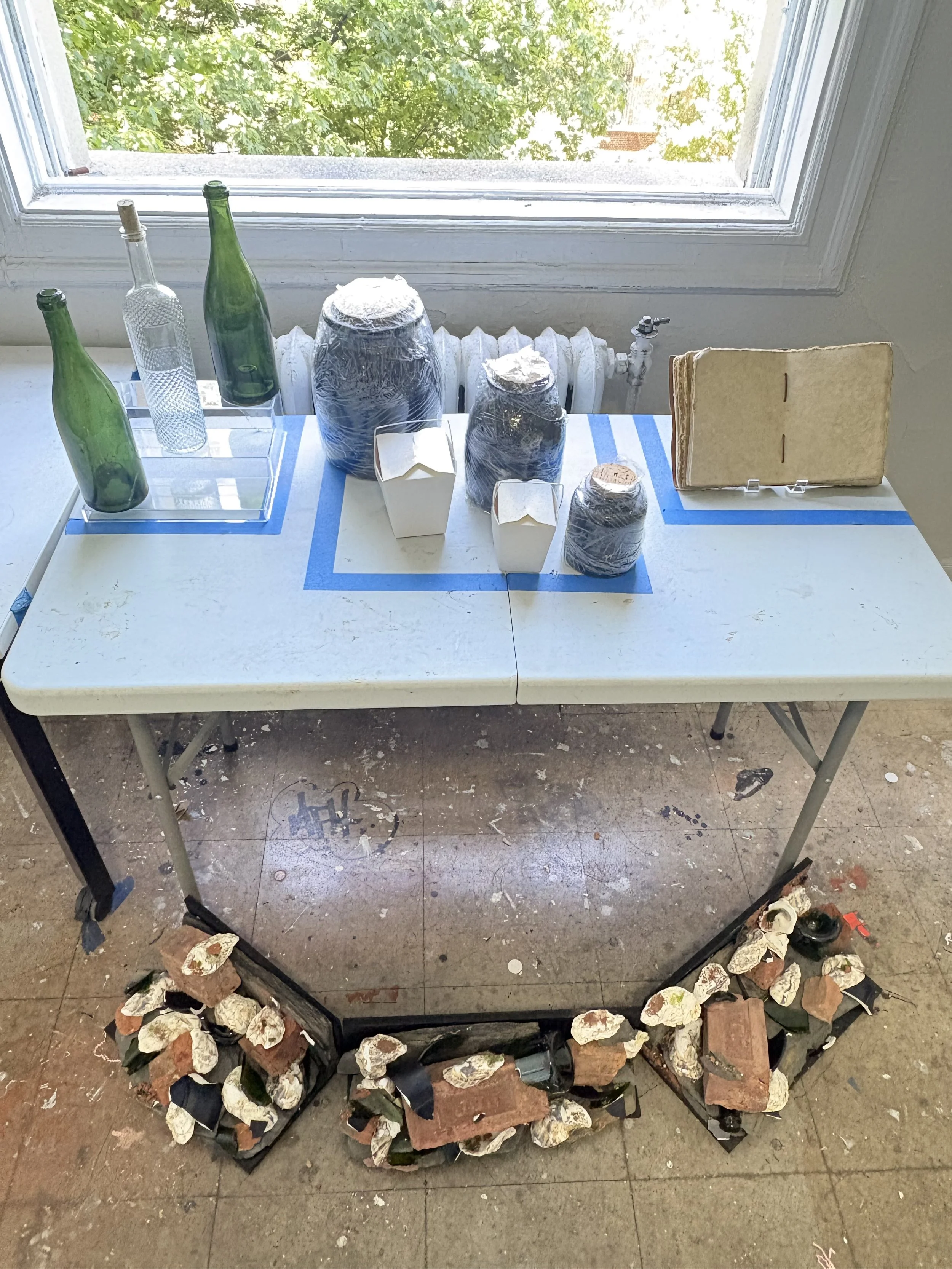
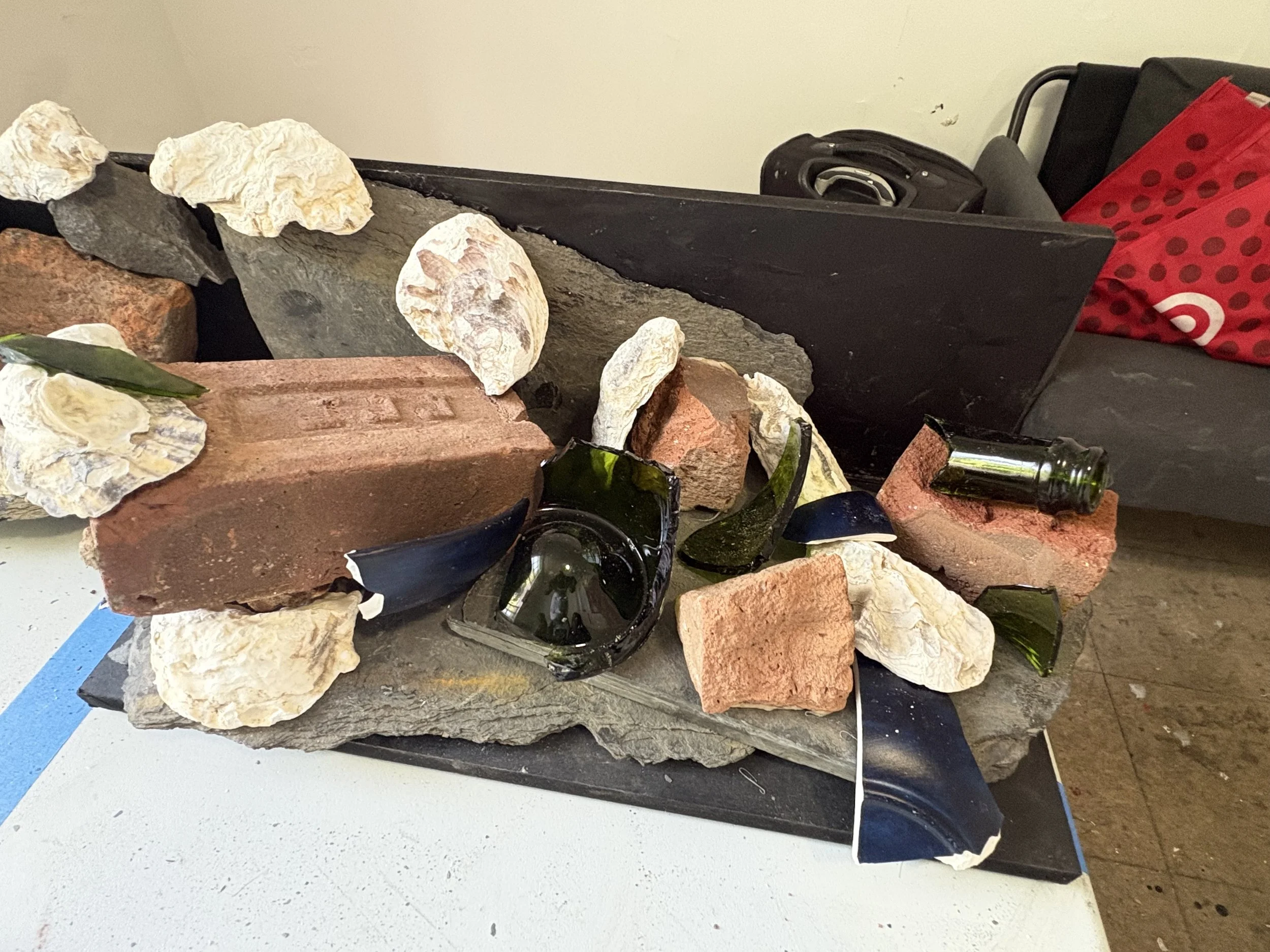
Image from the 2nd floor gallery installation at the Old Stone House of Brooklyn History Museum in Park Slope.
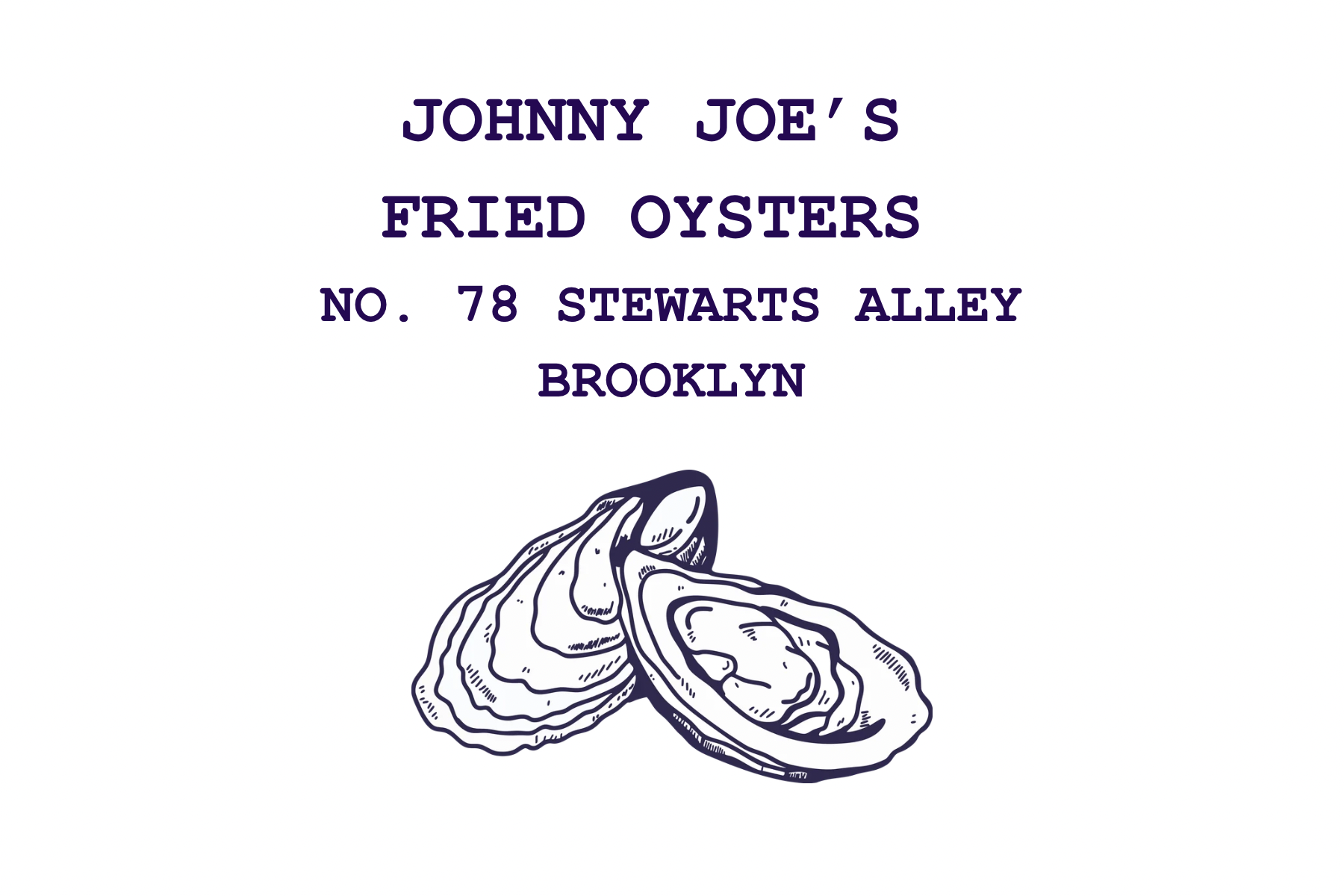
This site-specific installation for the Break the Law exhibition reimagines the legacy of John Joseph ("Johnny Joe"), a formerly enslaved 19th-century Afro-Caribbean from Martinique who established the legendary Johnny Joe’s Oyster House at the foot of the Brooklyn Bridge in what is now Prospect St in DUMBO. Through speculative history, this work examines how the oppressive reality of 19th-century legislation—such as the 1821 New York State Constitutional Property Requirement and occupational bans—legally obstructed Black entrepreneurs' rights to the pursuit of happiness.
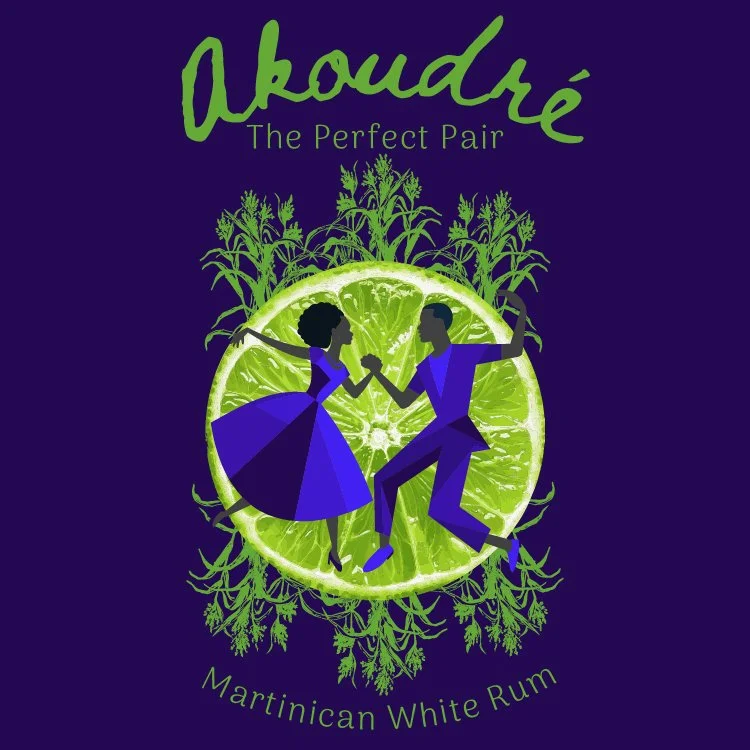
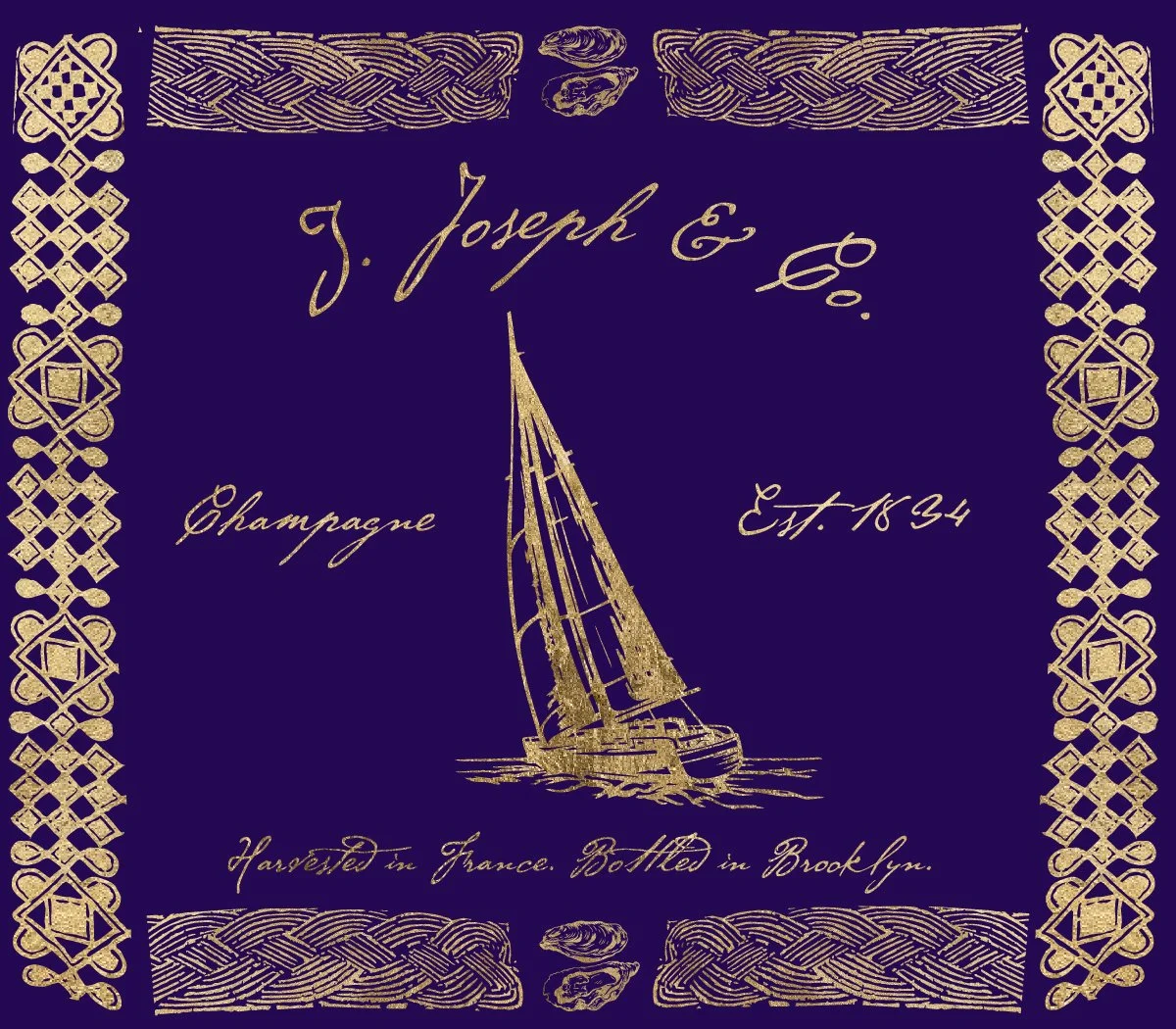
In this subversive alternate history, Johnny Joe defies systemic restrictions. Thriving immensely, he undercuts competitors and expands his oyster house into luxury goods, launching his own signature line of champagne. This triumphant, rule-breaking lineage extends into an imagined future, culminating in the vibrant Akoudré Martinician Ti’punch brand. However, this liberatory vision of generational wealth is abruptly shattered by a weaponized lease agreement. This narrative is grounded in actual historical research from Brooklyn, New York’s land records and conveyances—specifically, a February 8, 1834, property lease between lessor Magdalen Stewart and lessee John Joseph. Leasing a dwelling and lot on Prospect Street and Stewart Alley for eleven years, he entered into a contract that was inherently predatory; it weaponized rental terms and immense maintenance responsibilities against him, ensuring that the mandatory "repairs of these buildings" would swallow his earnings and successfully dismantle his commercial ecosystem. It leaves us to ask: If the law had been designed to protect his enterprise rather than prey upon it, what other legacy businesses would exist today?
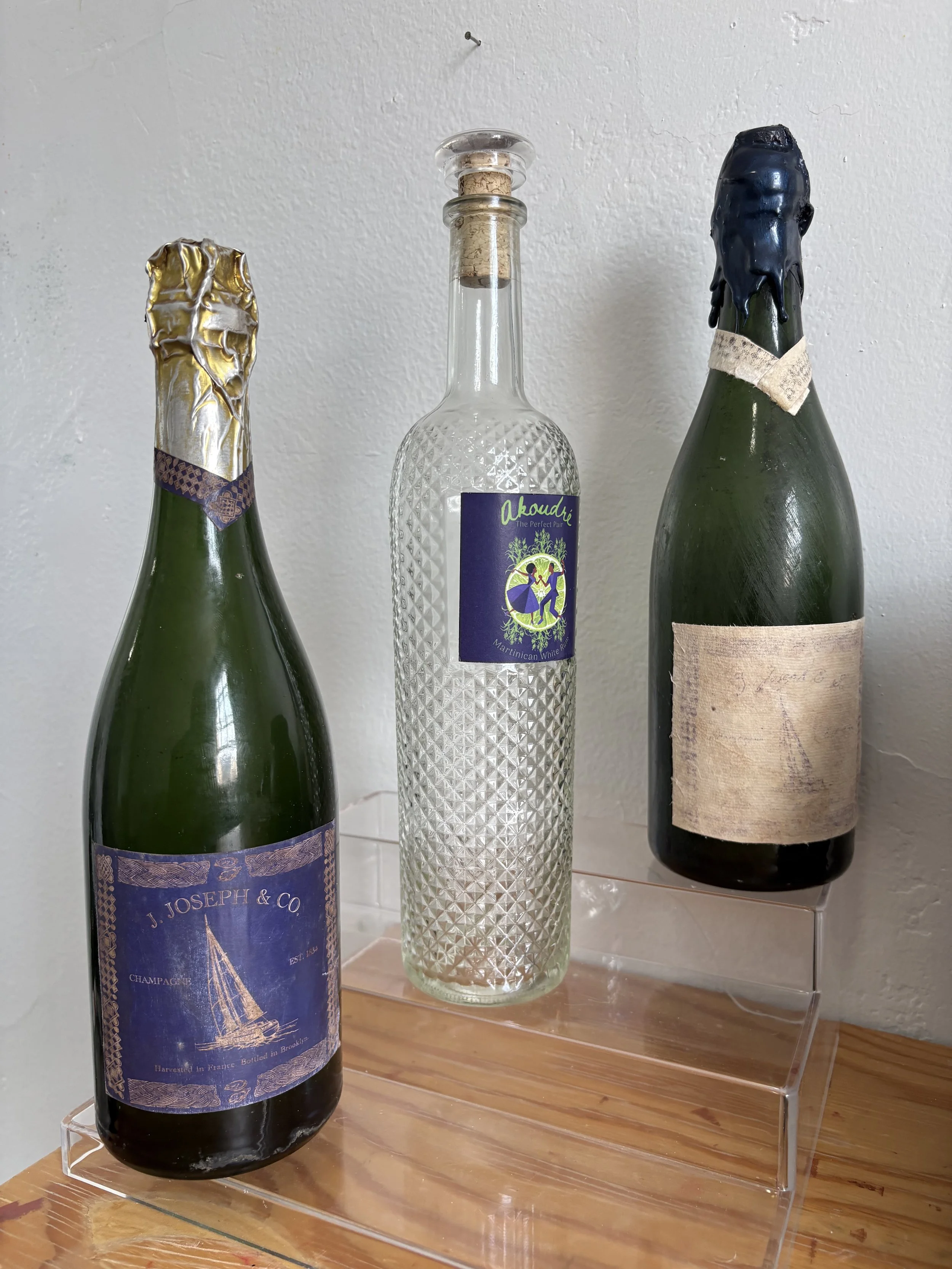
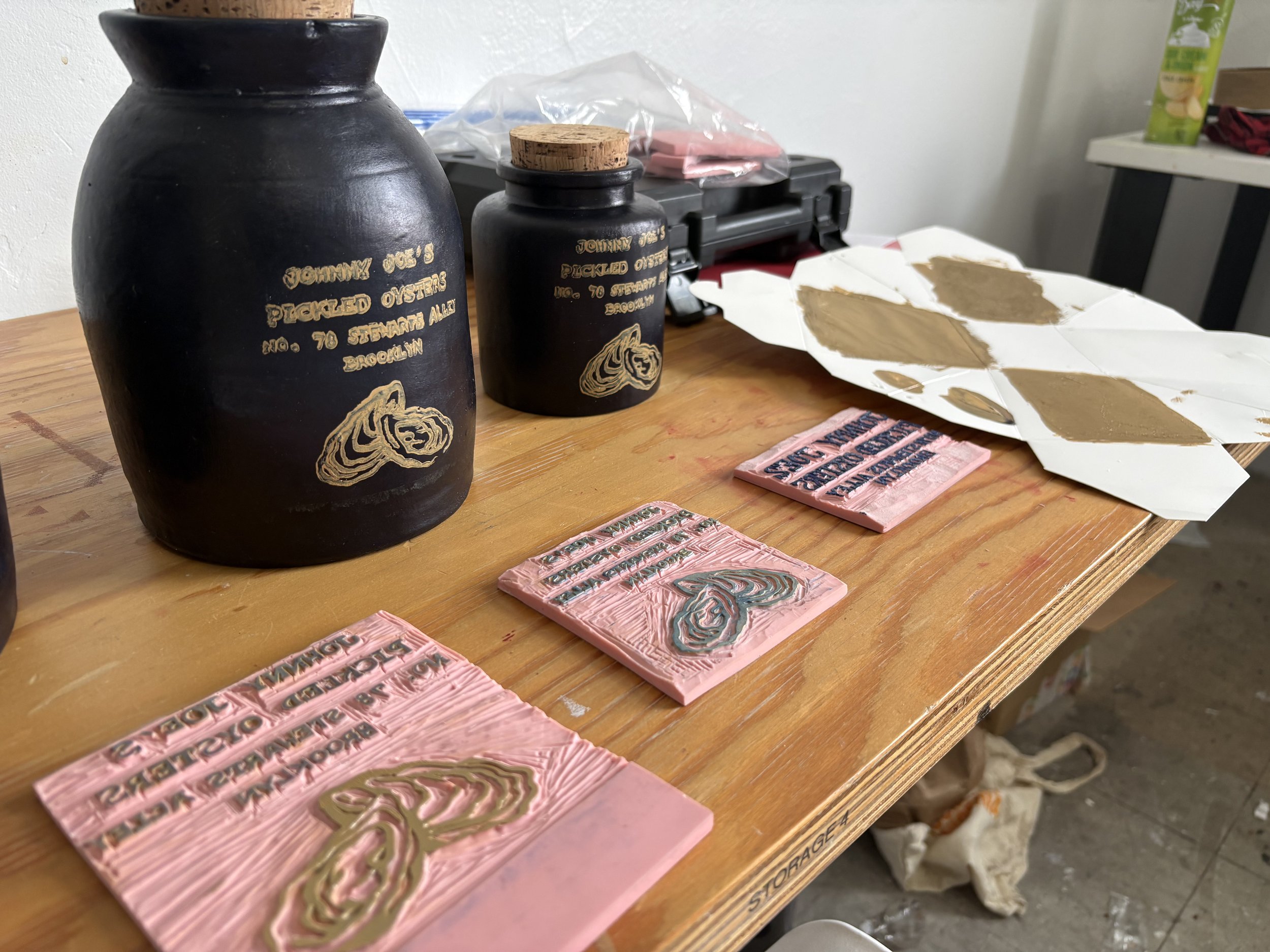
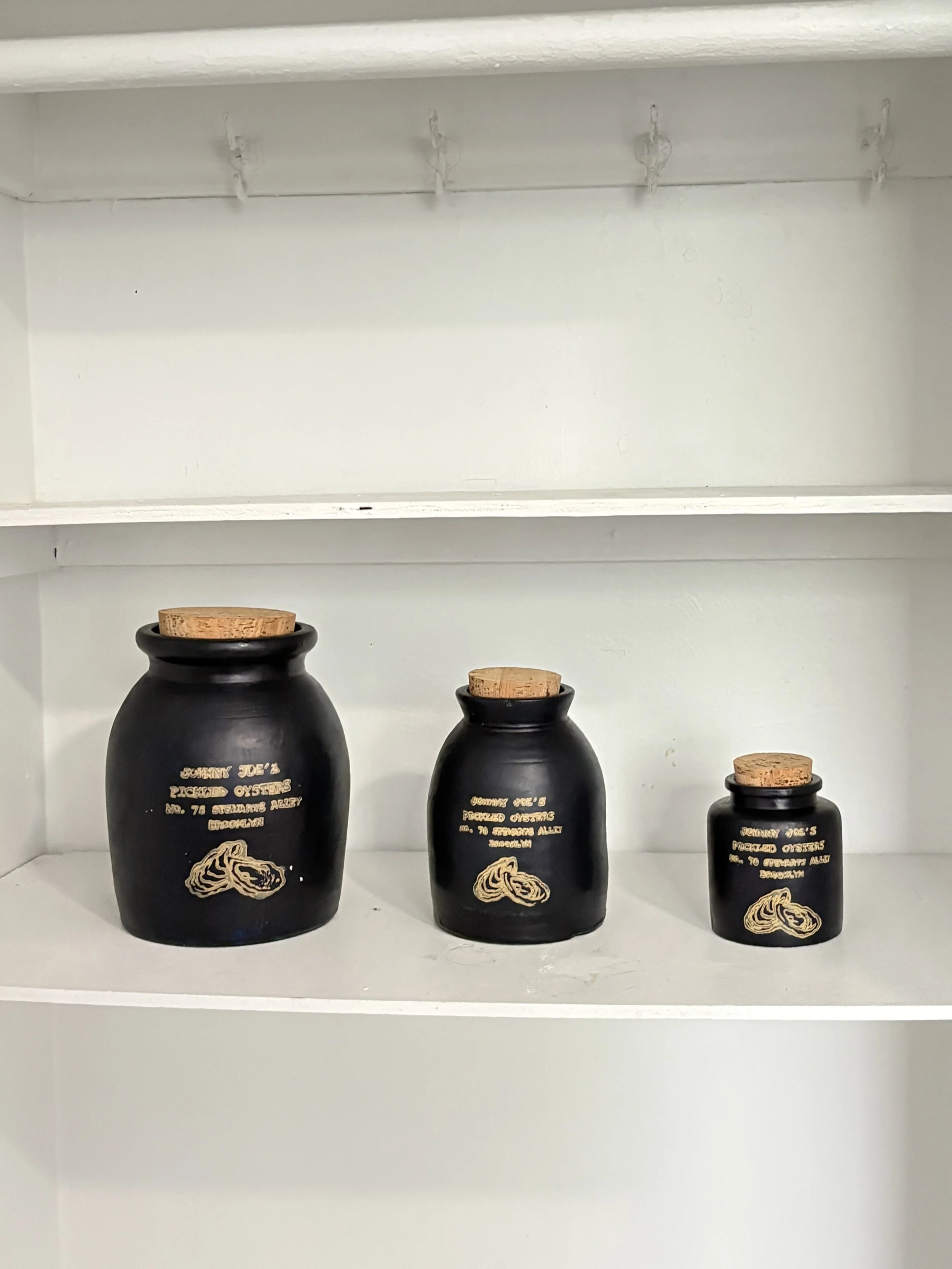
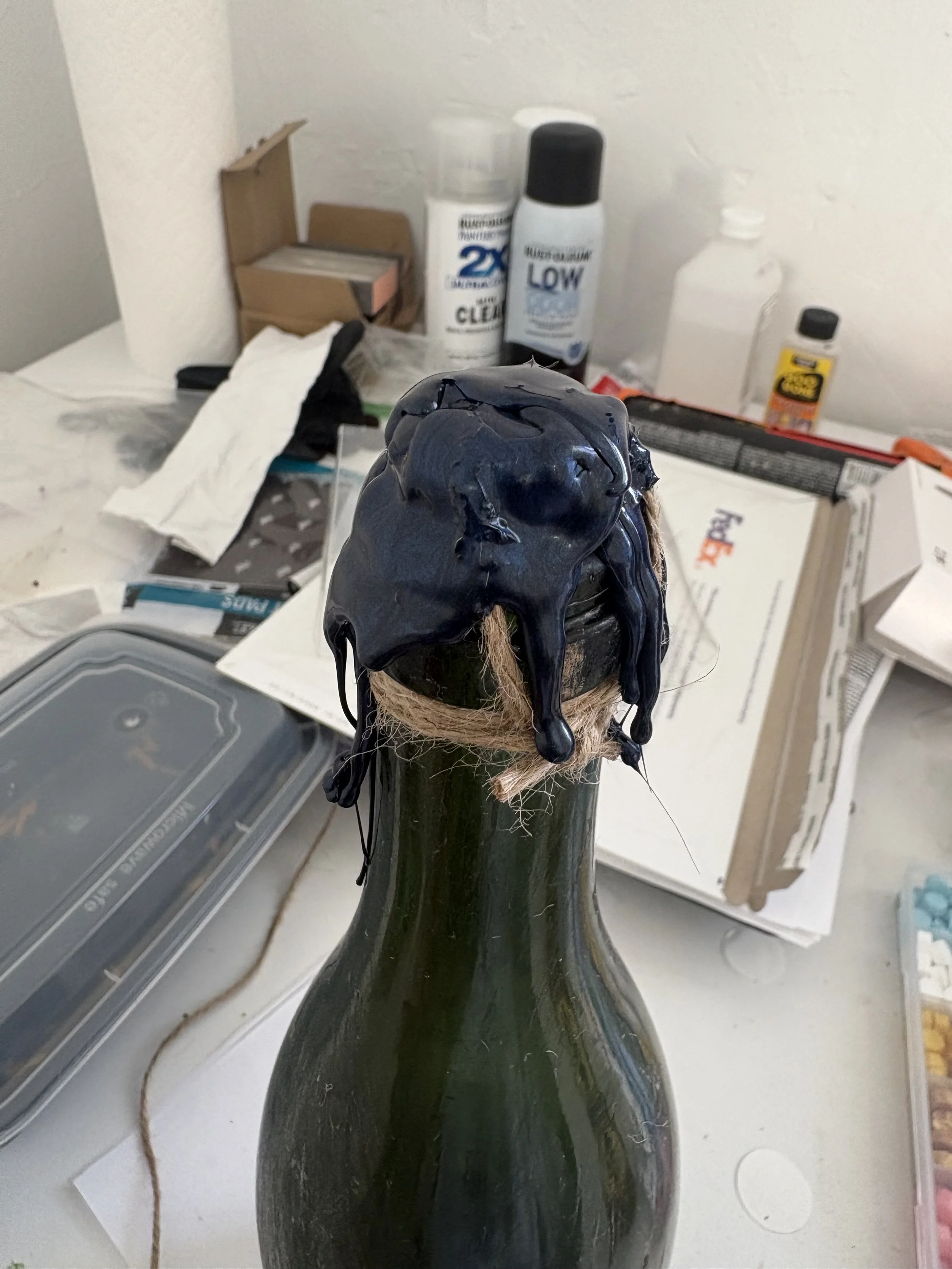
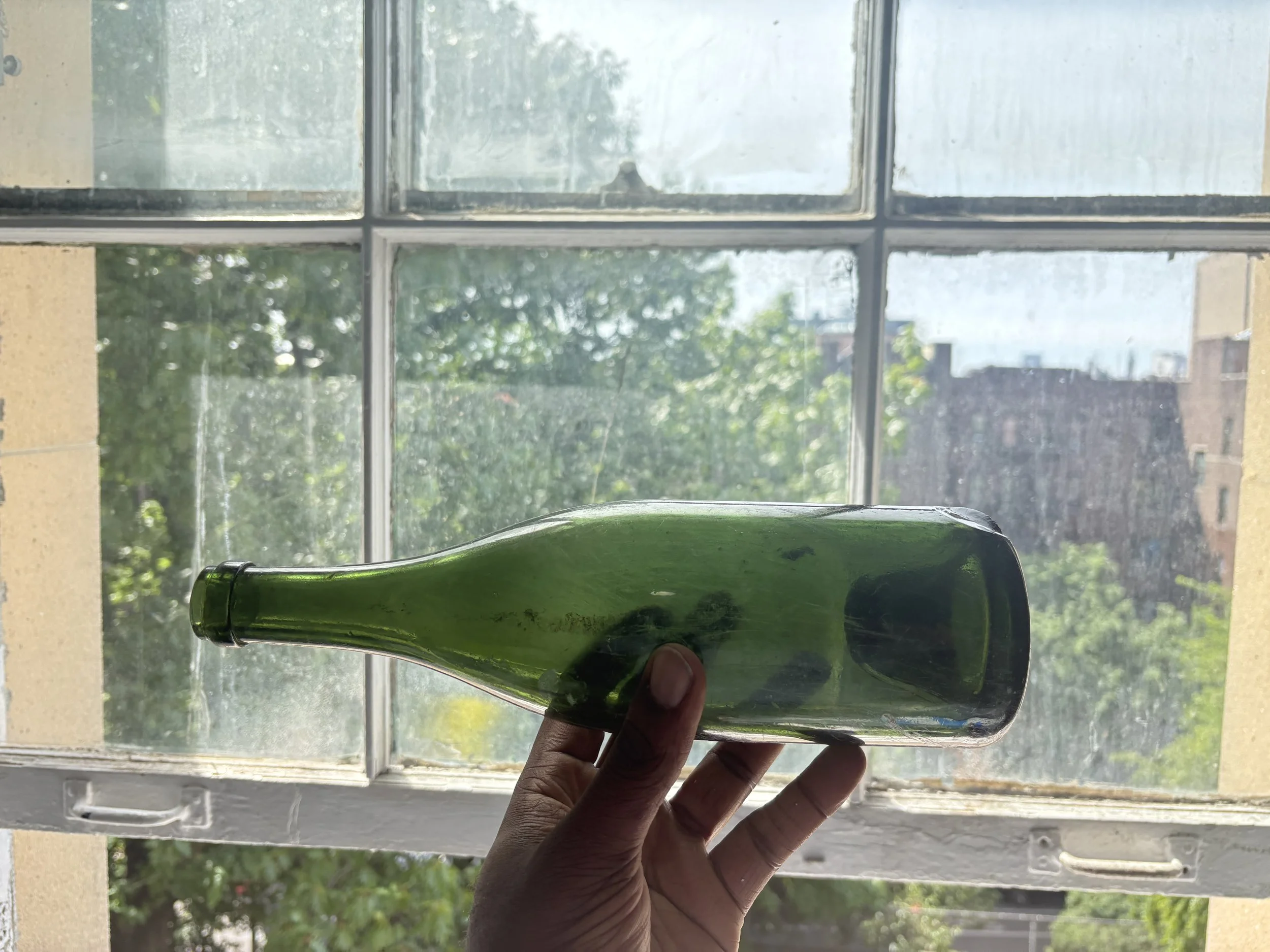
The installation spans three pedestals, chronicling the rise and forced collapse of Johnny Joe’s. The first section confronts viewers with the catalyst of his ruin: a "Deed of Surrender" ledger detailing the fatal transaction. The display transitions into artifacts of his commercial evolution, featuring small, medium, and large pickled-oyster jars—finished in deep indigo—alongside vintage fried-oyster pails. His sovereign legacy is materialized through three vessels: a wax-sealed 1834 champagne relic, a gilded 1890s luxury champagne, and a contemporary bottle of Akoudré white rum.
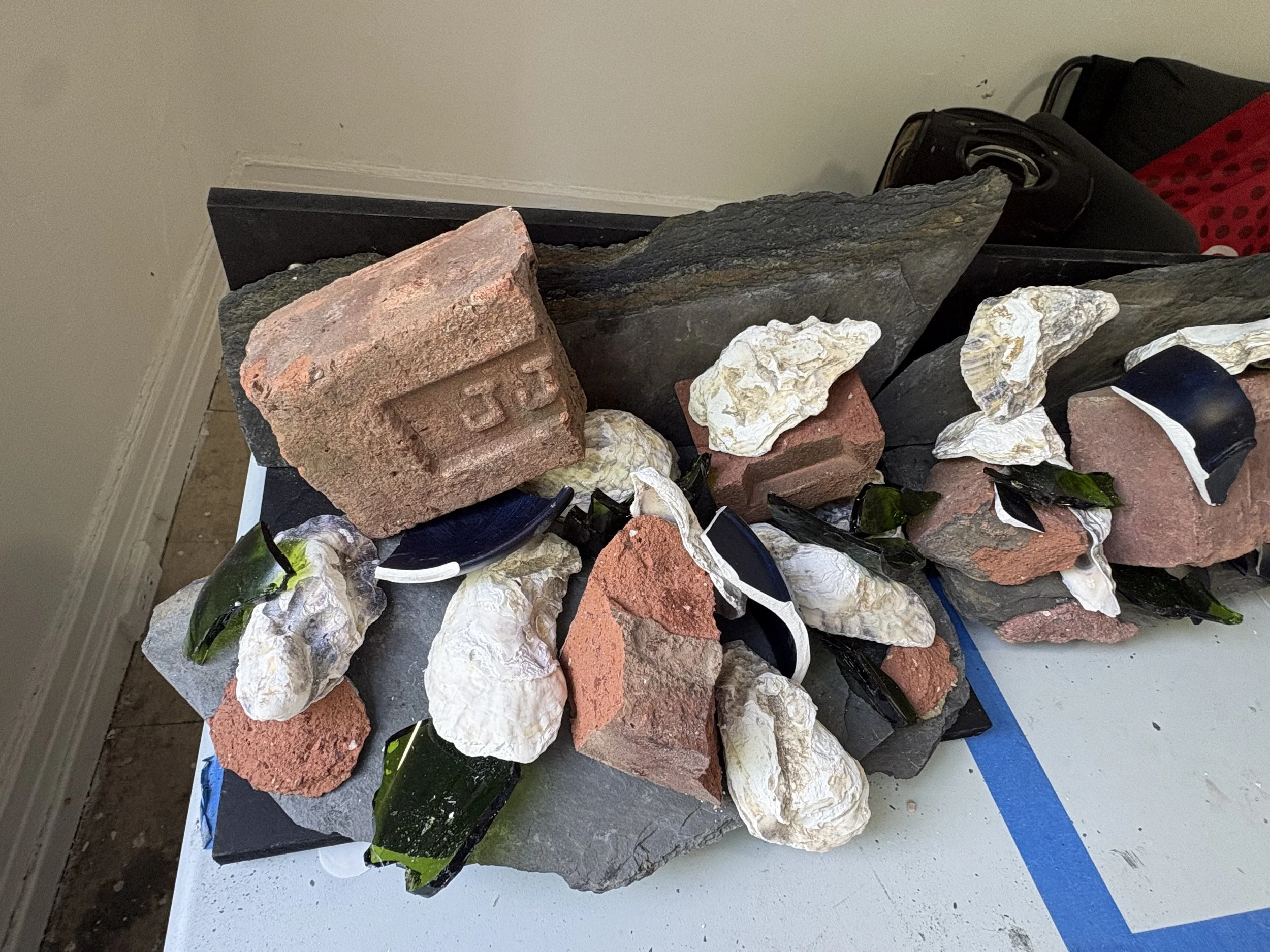
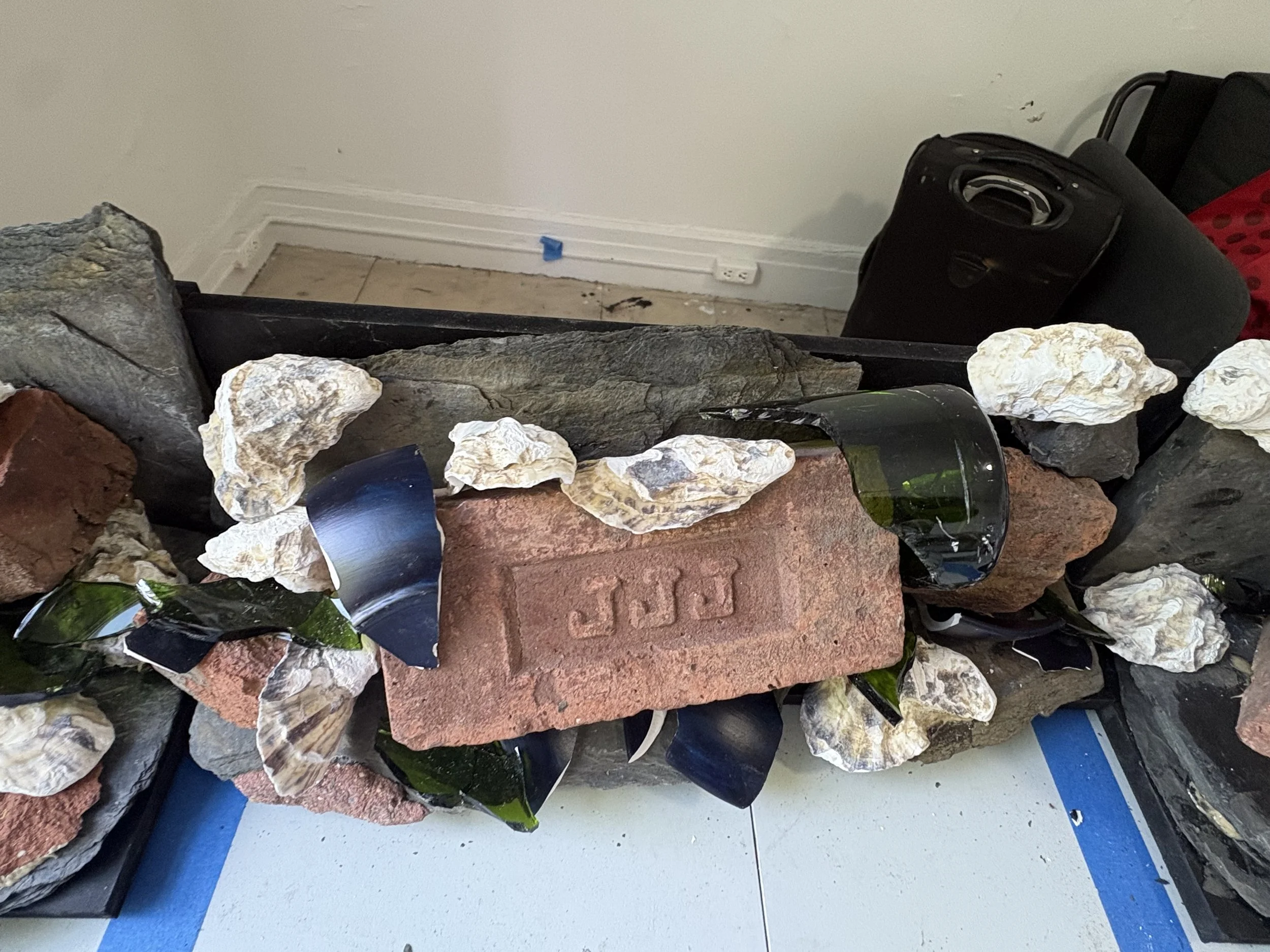
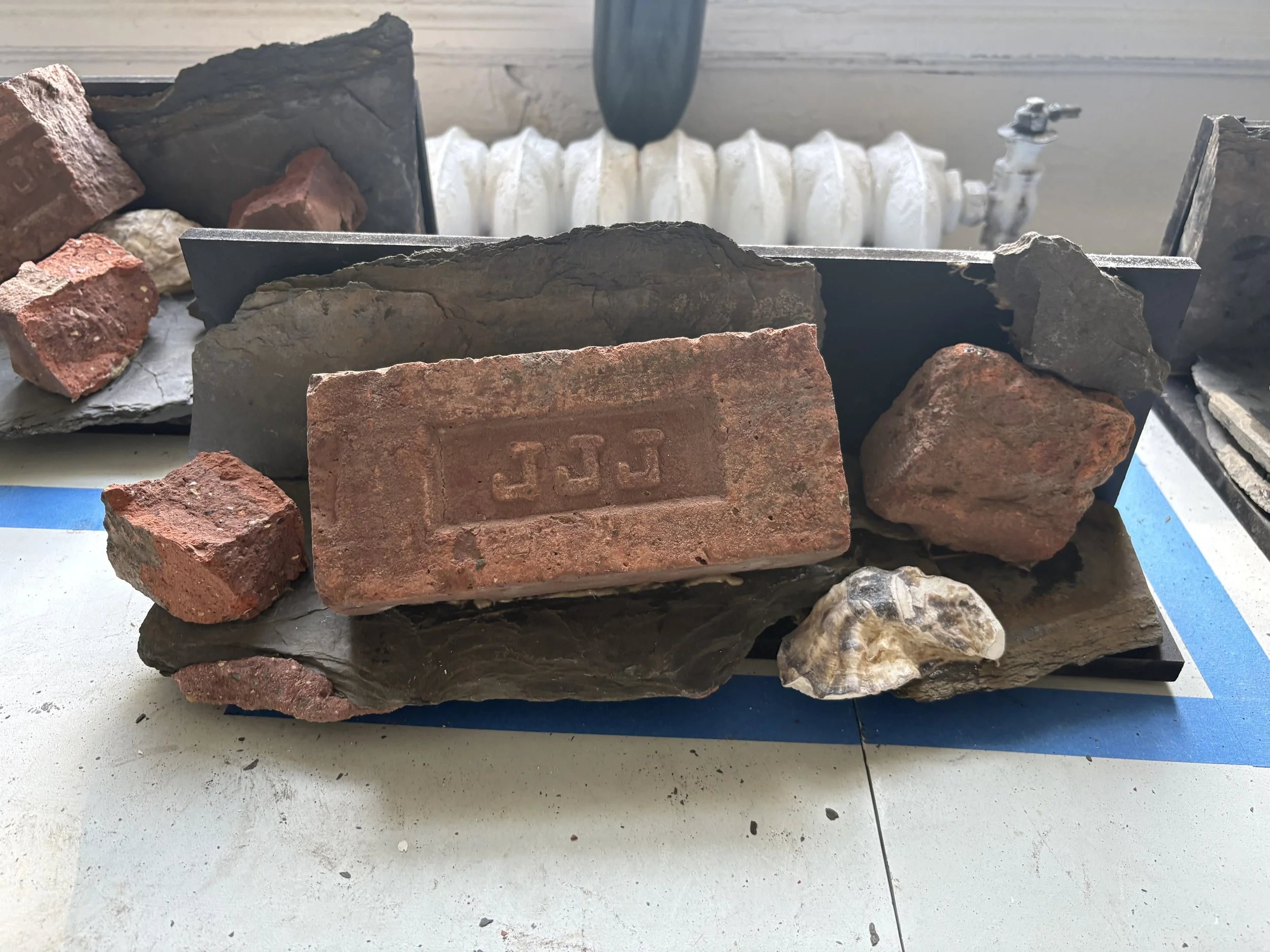
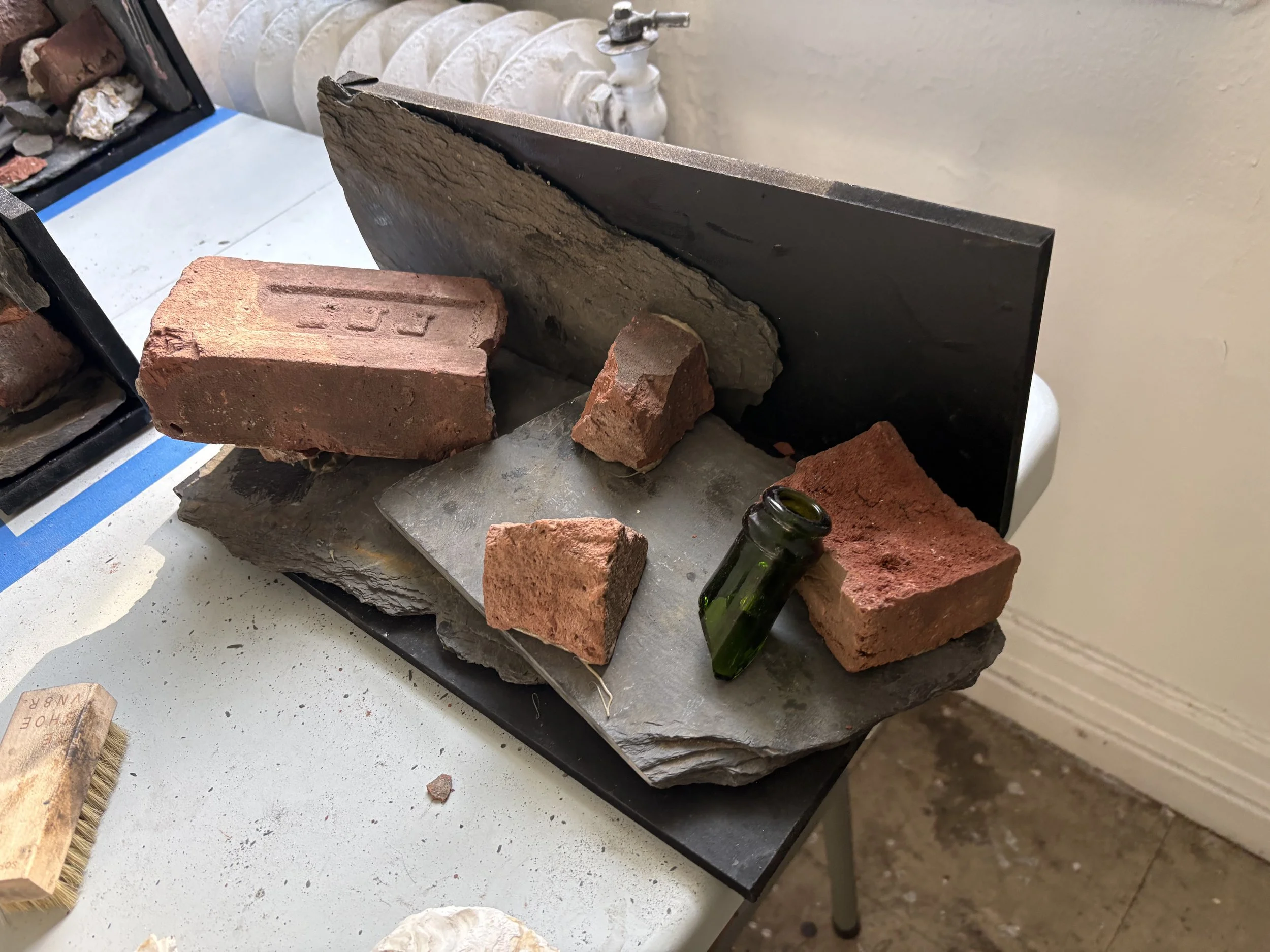
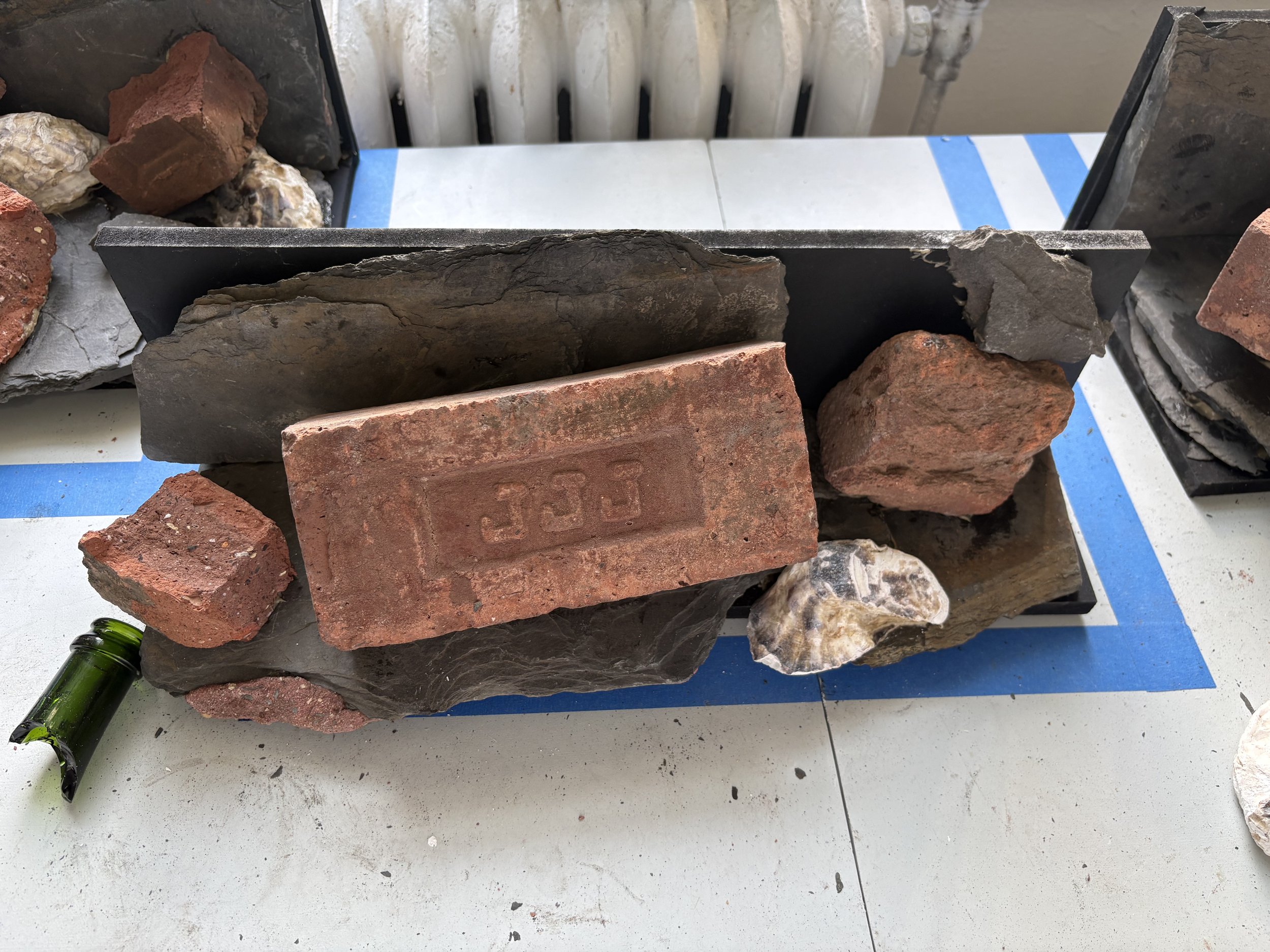
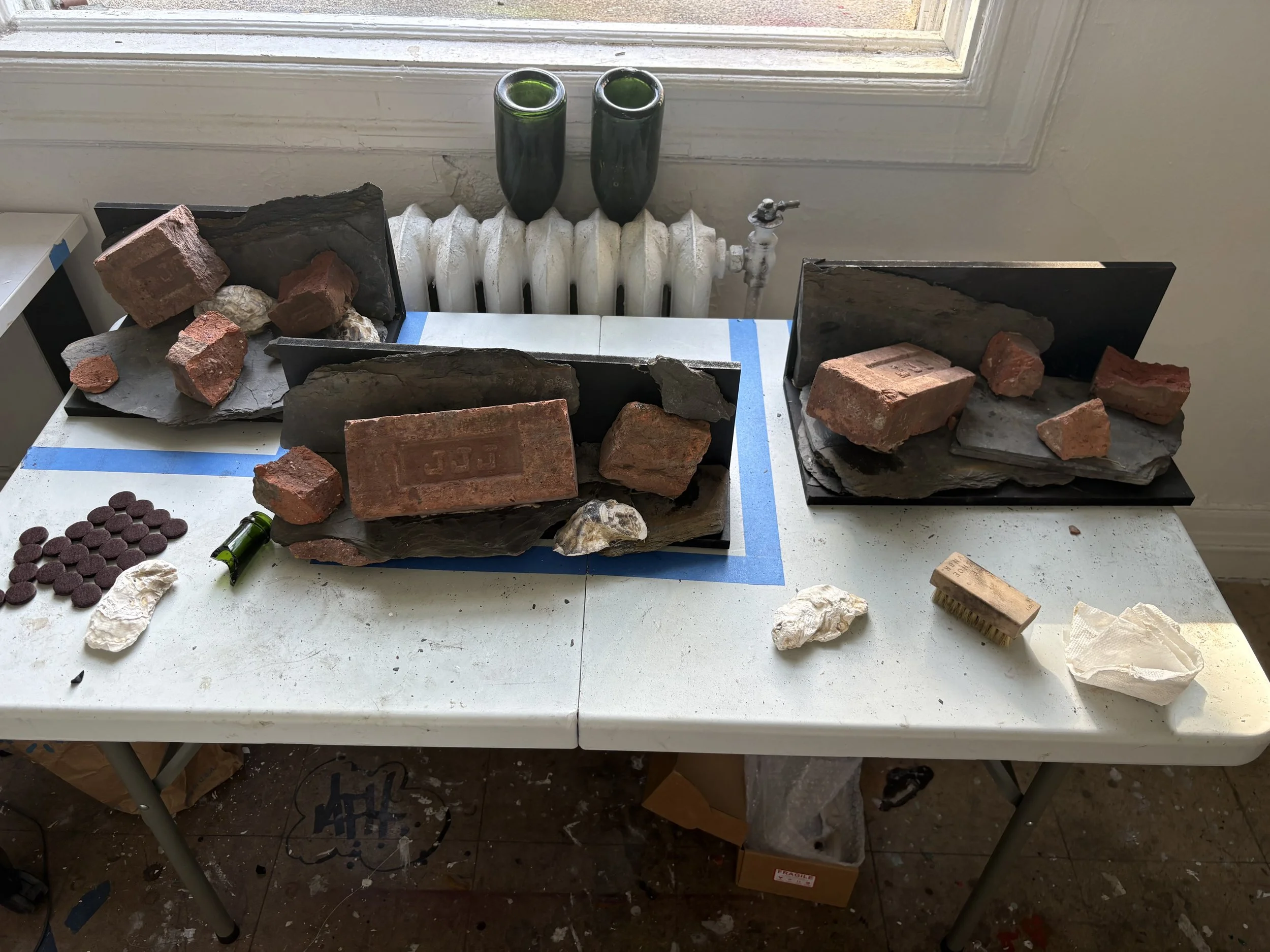
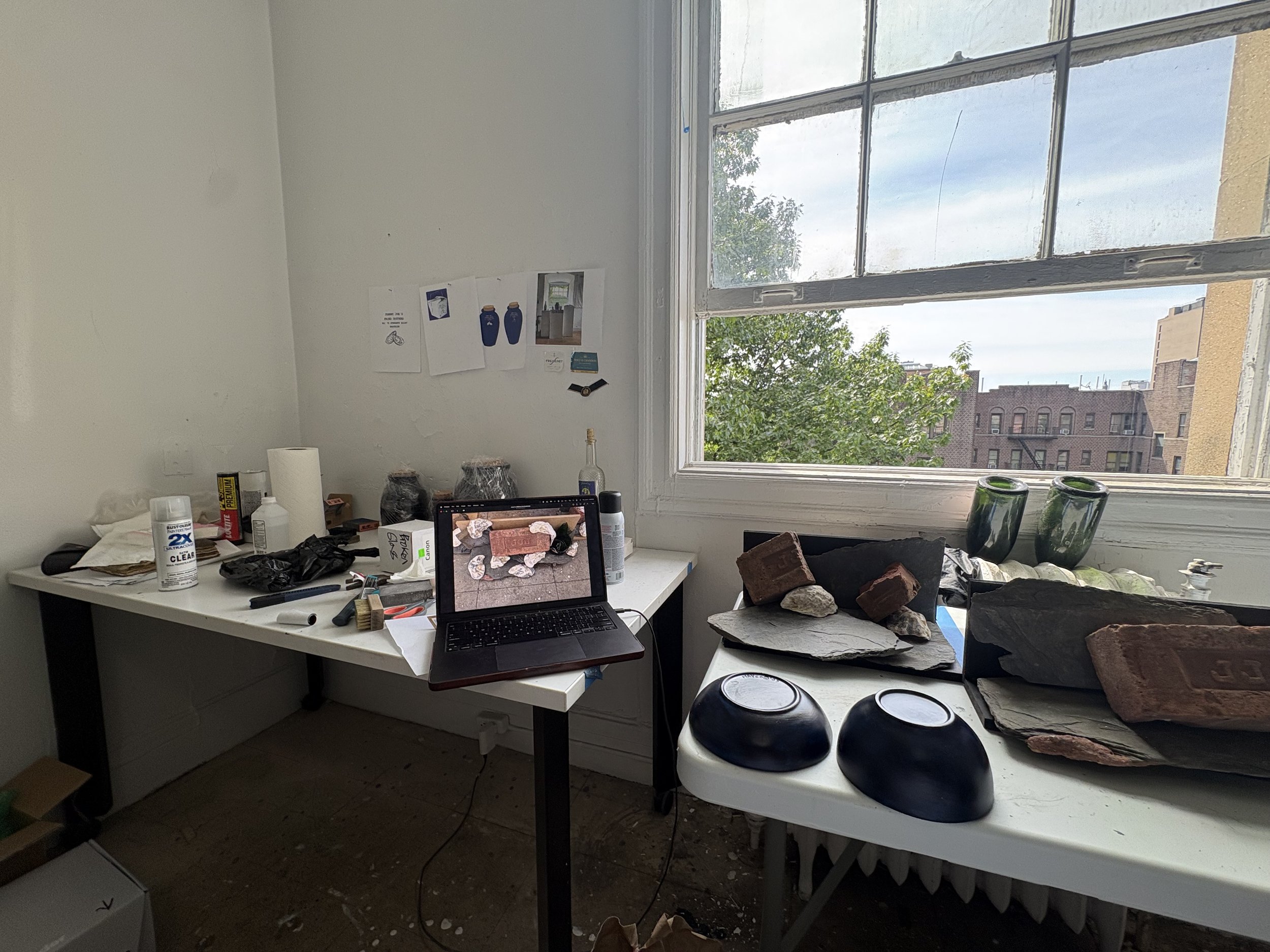
Anchoring the pedestals is a floor-level diorama of debris. Rough Brooklyn bluestone, vintage masonry bricks, shattered indigo ceramics, and weathered shells symbolize the specific legal injuries he endured, forming the beautiful, tragic rubble of a brother "shucked" of his potential.
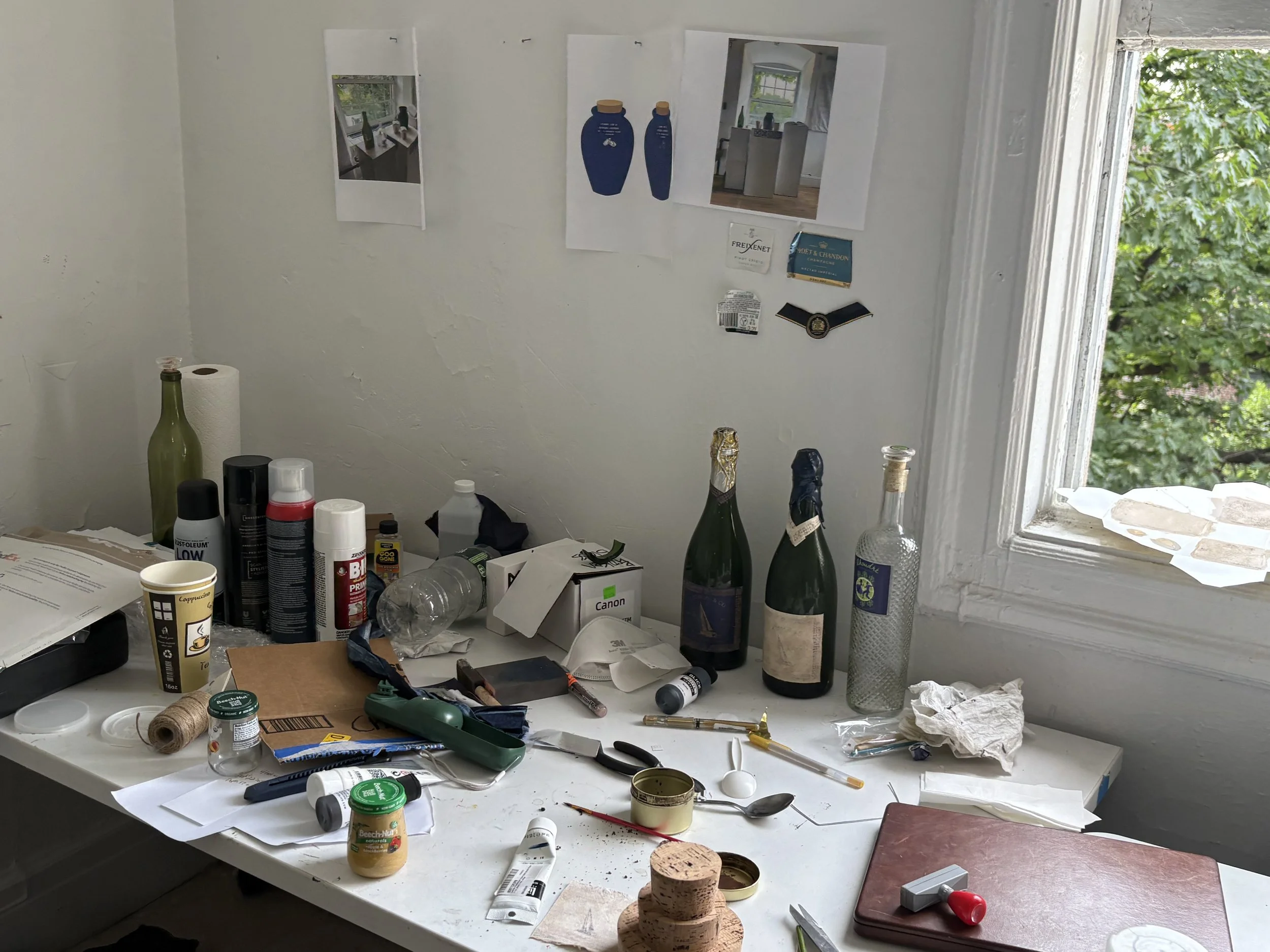
Object Description
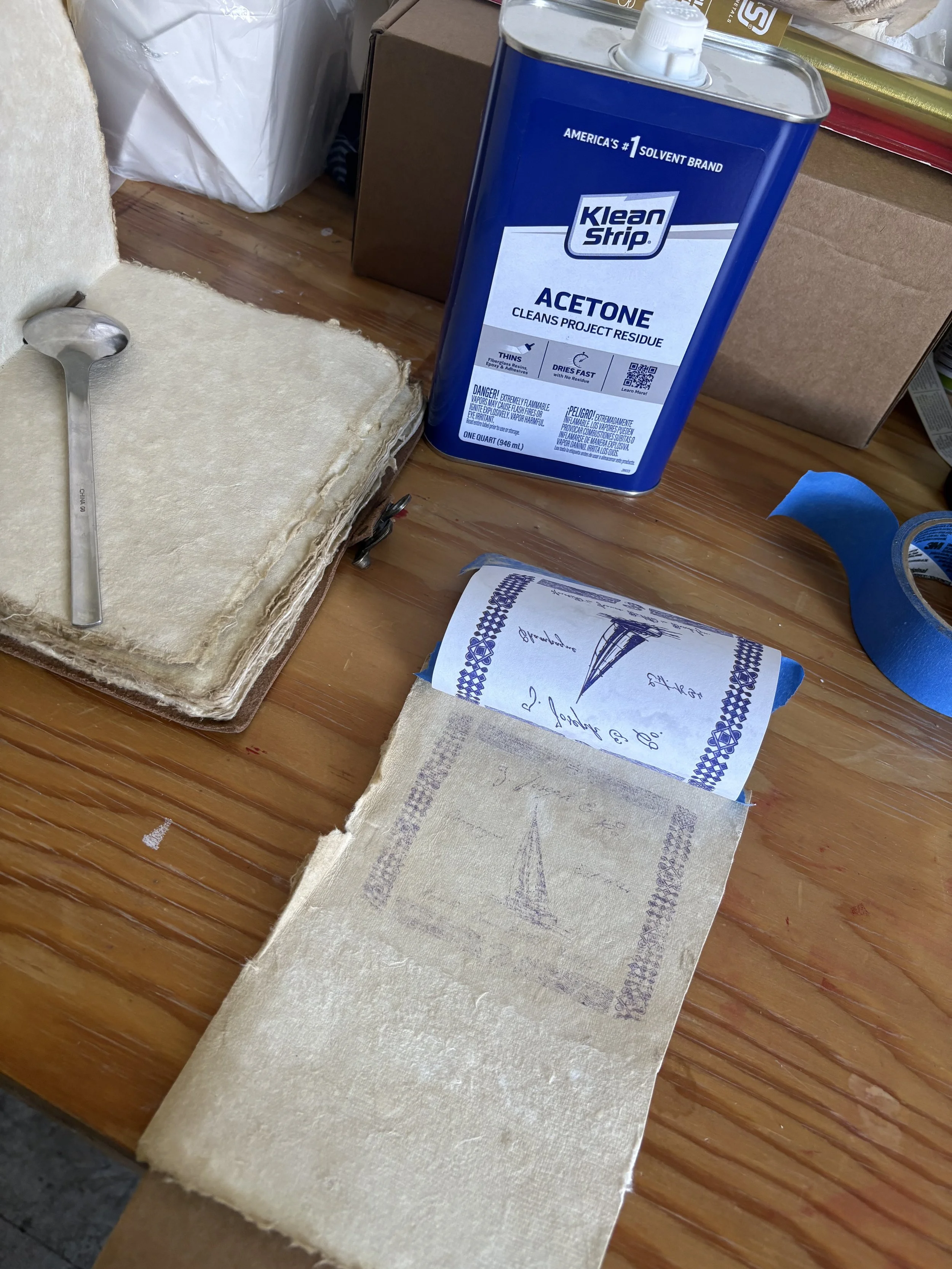
The "Deed of Surrender" Ledger
Description: This object represents the weaponization of contracts and the exact moment of his ruin. It is the tangible evidence of the predatory 1834 lease and the legal mechanics used to strip a successful Black entrepreneur of his wealth and land.
Mixed Media: Repurposed modern-aged Buffalo hide journal & handmade rag paper. 6’ x 8’ in.
The Indigo Oyster Jars & Vintage Pails
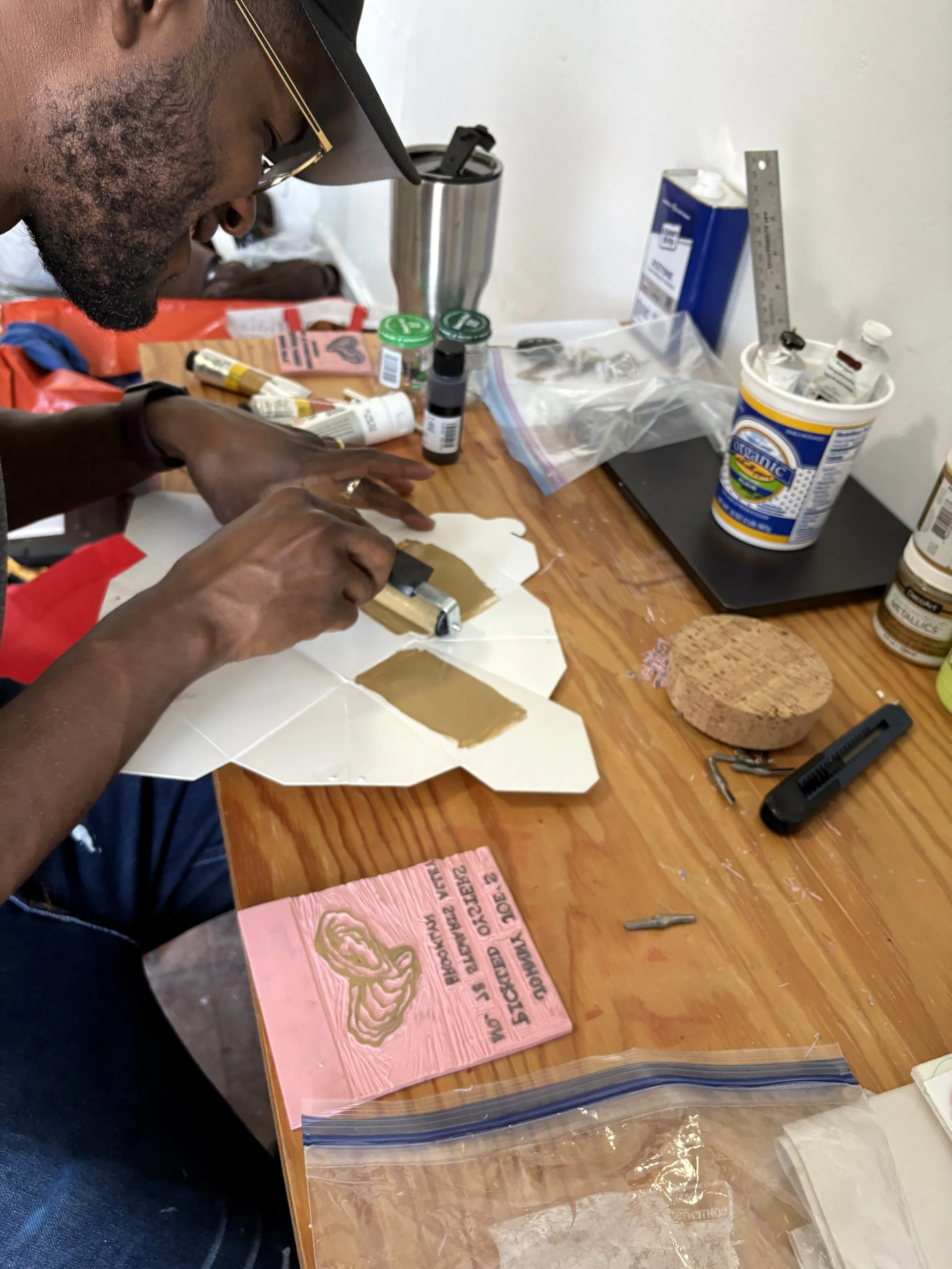
Description: These vessels honor his Afro-Caribbean roots through the bruised indigo coloring. The varying sizes represent a thriving, scaling business, while the pails serve as a direct nod to the real history of his "unequaled" fried oysters.
Mixed Media: Repurposed 20th-century stoneware jars finished in deep indigo blue, and repurposed paper Chinese takeout rice boxes (32-ounce and 16-ounce), which were originally patented for oysters in 1890. Large jar: 9’ tall, 7’ in diameter. Medium jar: 7 inches tall, 5.5-inch diameter. Small jar: 5’ x 4’ in diameter.
The 1834 Relic Champagne
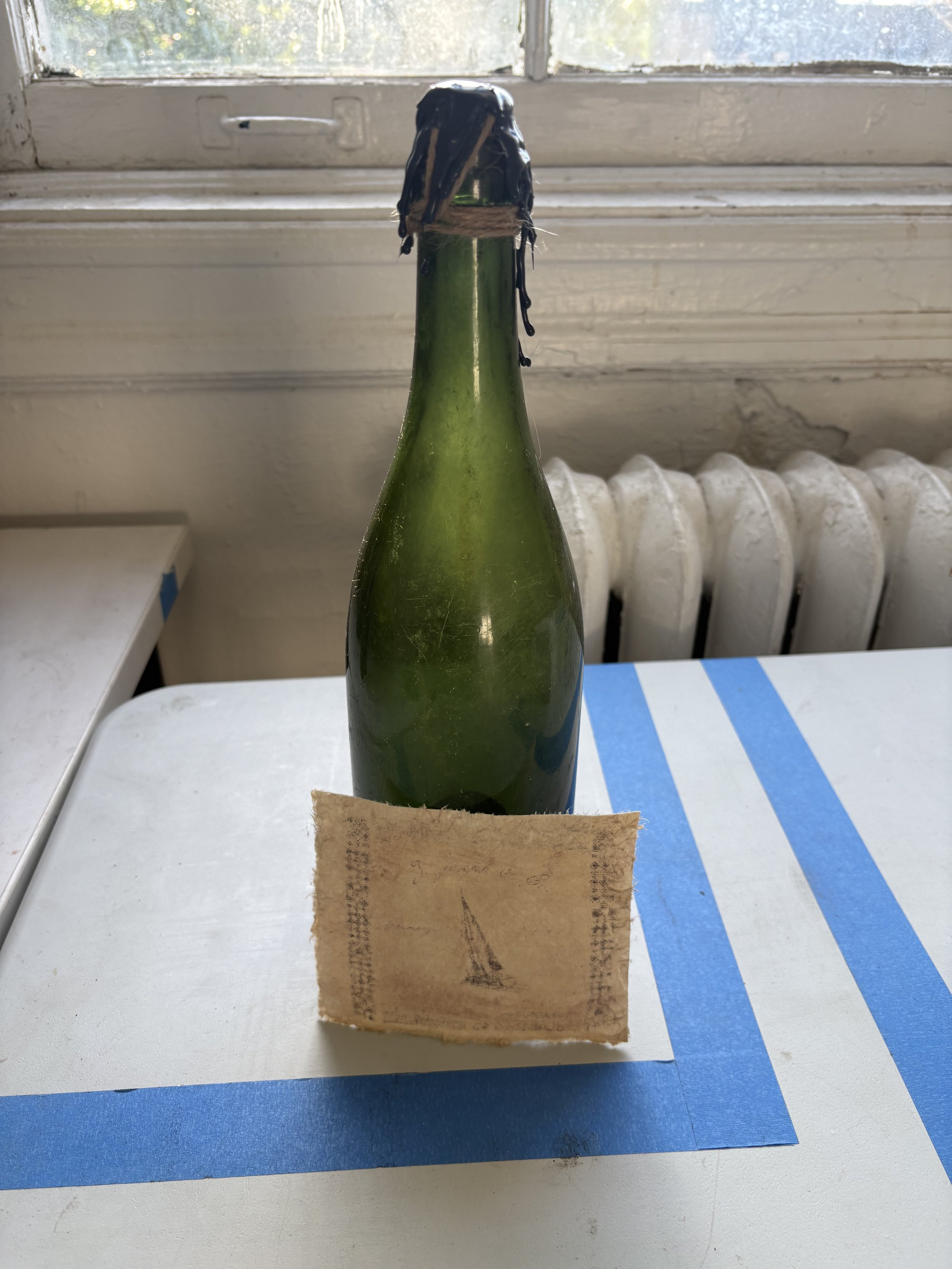
Description: Representing his initial defiance of the era's economic boundaries, this bottle is his first foray into luxury goods, created to rival the high-end Heidsieck champagne he famously served to his Brooklyn patrons.
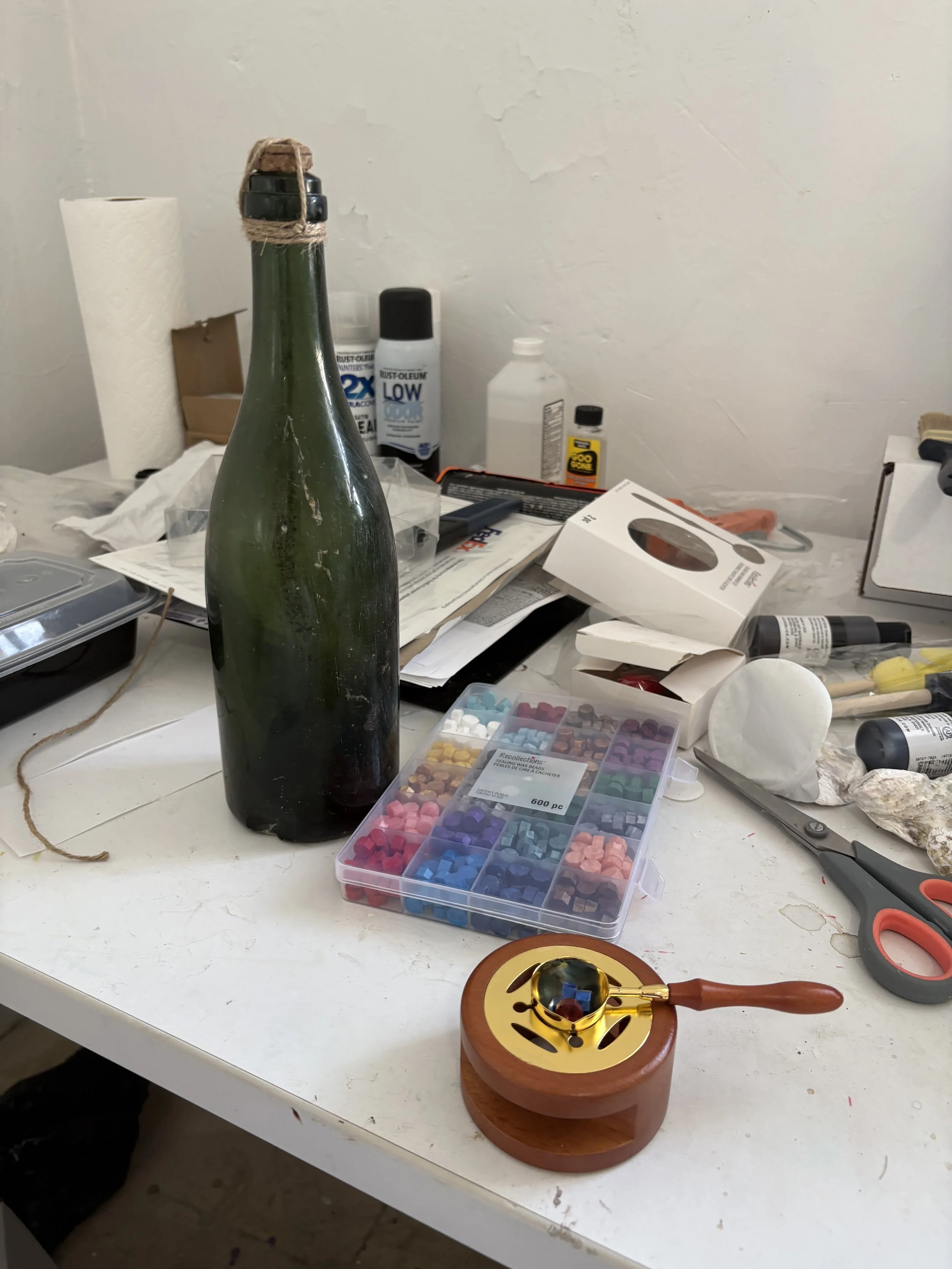
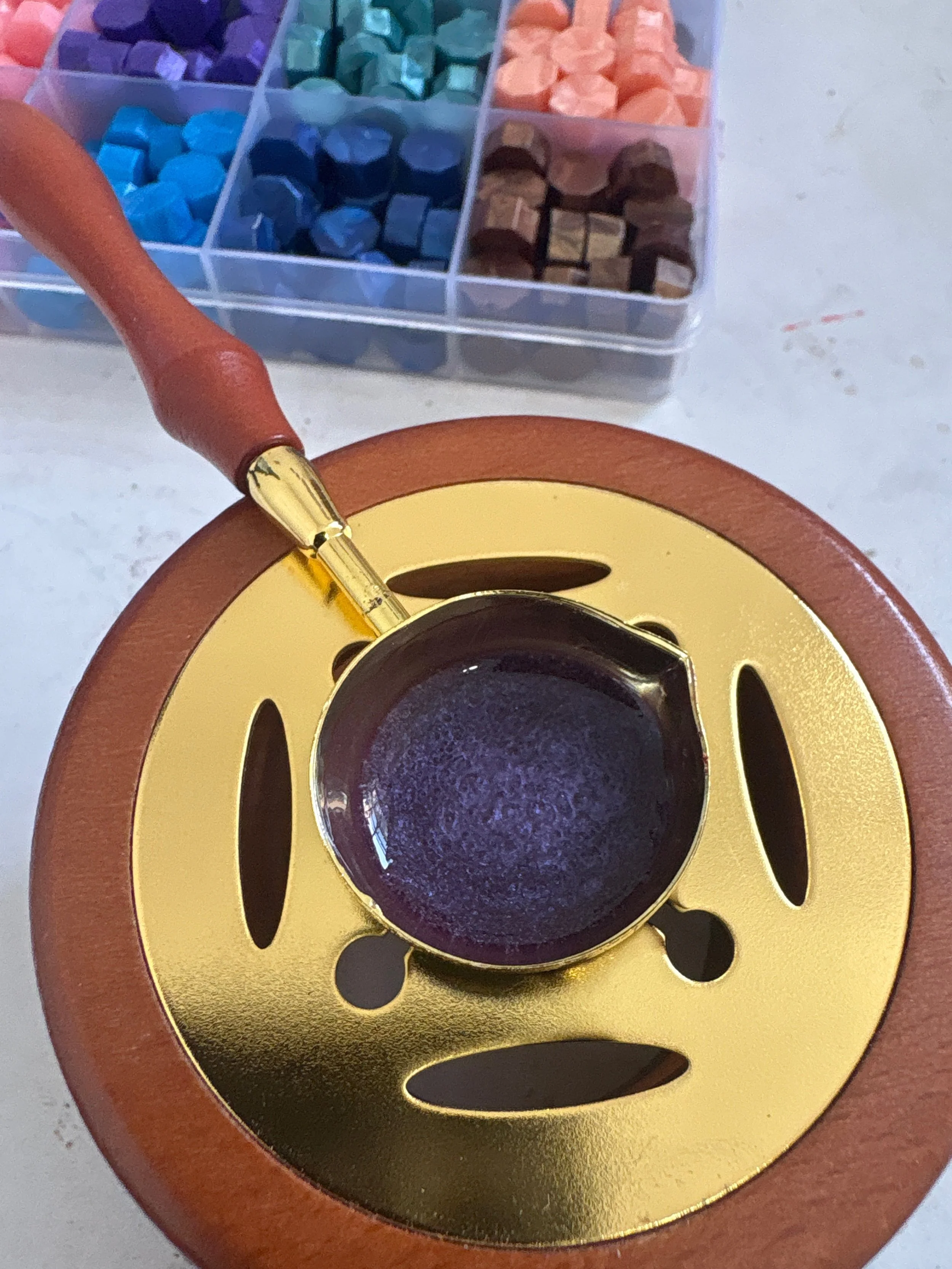
Mixed Media: Repurposed 19th-century antique champagne bottle, heavy twine, historically accurate marbled wax (navy and burgundy), and distressed hand-torn paper label. 12’ tall, 3.5’ in diameter.
The 1890s Luxury Edition Champagne
Description: This marks the peak of his speculative enterprise. It illustrates a timeline where his business was allowed to mature into an established, high-end commercial powerhouse that successfully dominated the market.
Mixed Media: Repurposed 19th-century antique champagne bottle, custom heavy-duty gold foil capsule, and refined indigo and gold label. 12’ tall, 3.5’ in diameter.
Akoudré Martinician Ti’punch (2026)
Description: "Akoudré" translates to "the perfect pair" in Martinican Creole. The brand’s logo—two Black figures dancing behind a slice of lime—represents Johnny Joe and his wife, Louisa-Britton, celebrating the freedom they would have enjoyed as successful entrepreneurs. It honors their cultural heritage through a legacy brand that goes beyond just champagne, offering Ti'punch, which everyday Martinicans would authentically pair with oysters. This serves as the culmination of his imagined generational wealth, projecting his stolen legacy into the present day.
Mixed Media: Repurposed Freixenet Pinot Grigio French wine bottle (750 ml) and modern vibrant label. 12’ tall, 3’ in diameter.
The Rubble Diorama
Description: This foundational debris represents the stagnant inventory of a business barred from expansion. The shattered ceramic counterparts symbolize the specific legal injuries he suffered—such as proprietary bans and property voting requirements—serving as the physical ruins of his swallowed ecosystem.
Mixed Media: Rough Brooklyn bluestone, jagged green glass, weathered oyster shells, surgically anchored shattered indigo ceramics, and 19th-century red "JJJ" bricks (sourced locally in Brooklyn, manufactured in Newburgh, New York). Variable dimensions.